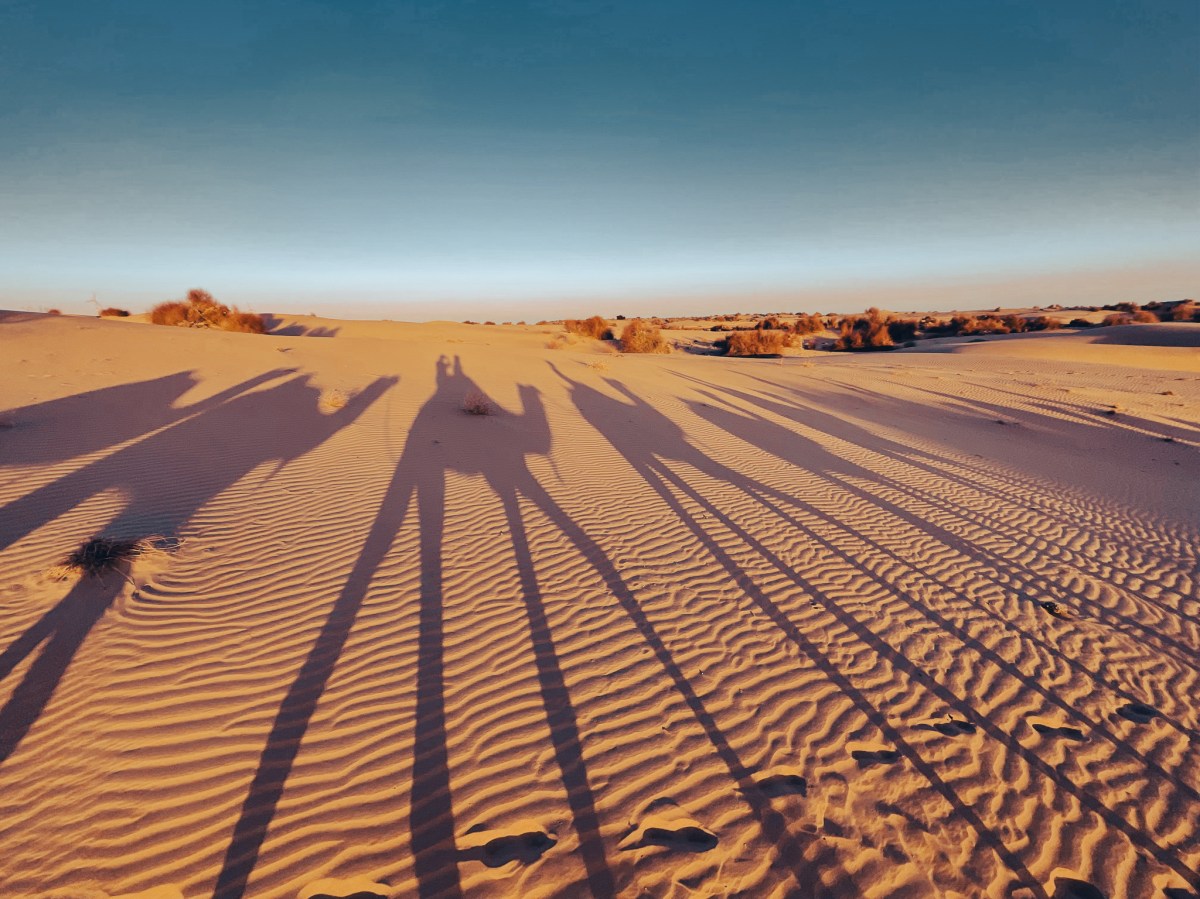
This post covers some of my best experiences visiting the Golden City of Jaisalmer in December 2022.
Jaisalmer is one of the westernmost cities in India, located in the state of Rajasthan, and close to the Indo-Pakistan border. The city is characterized by the stark landscape of the Thar desert, scant vegetation, and torrid weather. Yet Jaisalmer and its people are mesmerizingly beautiful, surprisingly humble, and will touch your soul deeply.
I also briefly cover topics like local cuisine, lodging, and transport below if you are planning a trip to Jaisalmer. So grab a cup of tea or coffee and read on.
Where to stay
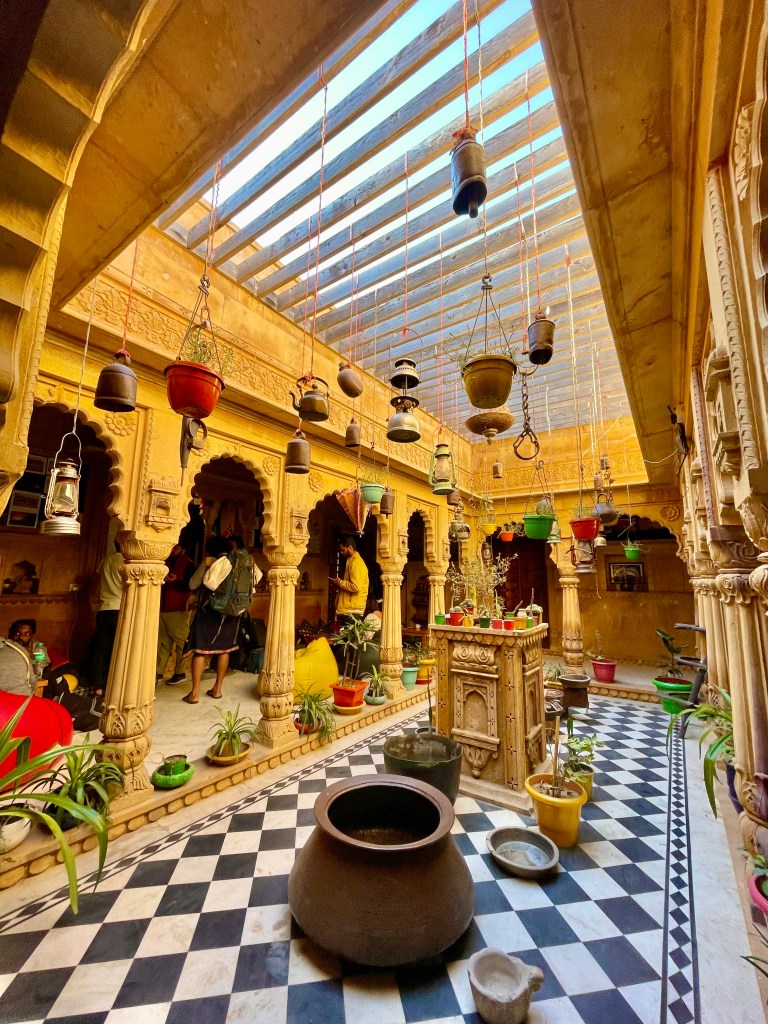
Tourists visit Jaisalmer from all over the world so the city has plenty of options for lodging. You can stay in one of the many homestays in the city easily reserved through a travel website or reserve a room inside the Jaisalmer fort itself if you want to maximize your heritage living experience.
I stayed at the Moustache Backpacker Hostel adjacent to the Jaisalmer Fort. This had a few advantages. Firstly, it was extremely easy to access the fort and the surrounding market within a 5-minute walk. The hostel is located right next to the fort and has stunning views of the eastern wall. Secondly, travelers from many nationalities were staying in this place and it was delightful to meet and learn about their cultures. The staff at Moustache were extremely friendly and accommodating which made the experience even better.
Local cuisine
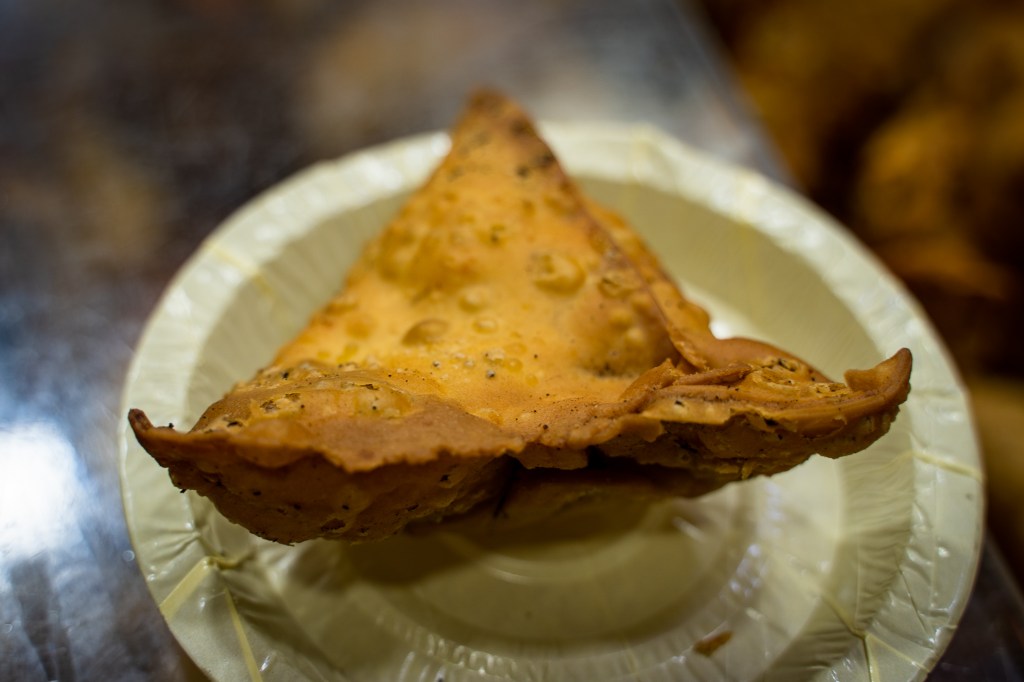
You must treat yourself to a plethora of snacks when in Jaisalmer. The most famous and my personal favorite is the Kachodi (stuffed and fried dough) which comes in different varieties – Pyaz Kachodi (onion filling) and Daal Kachodi (lentil filling). If you are getting the early morning carb craving, go for the Samosa (stuffed and fried potato dumpling) or the Mirchi Bhajji (stuffed and fried pepper).
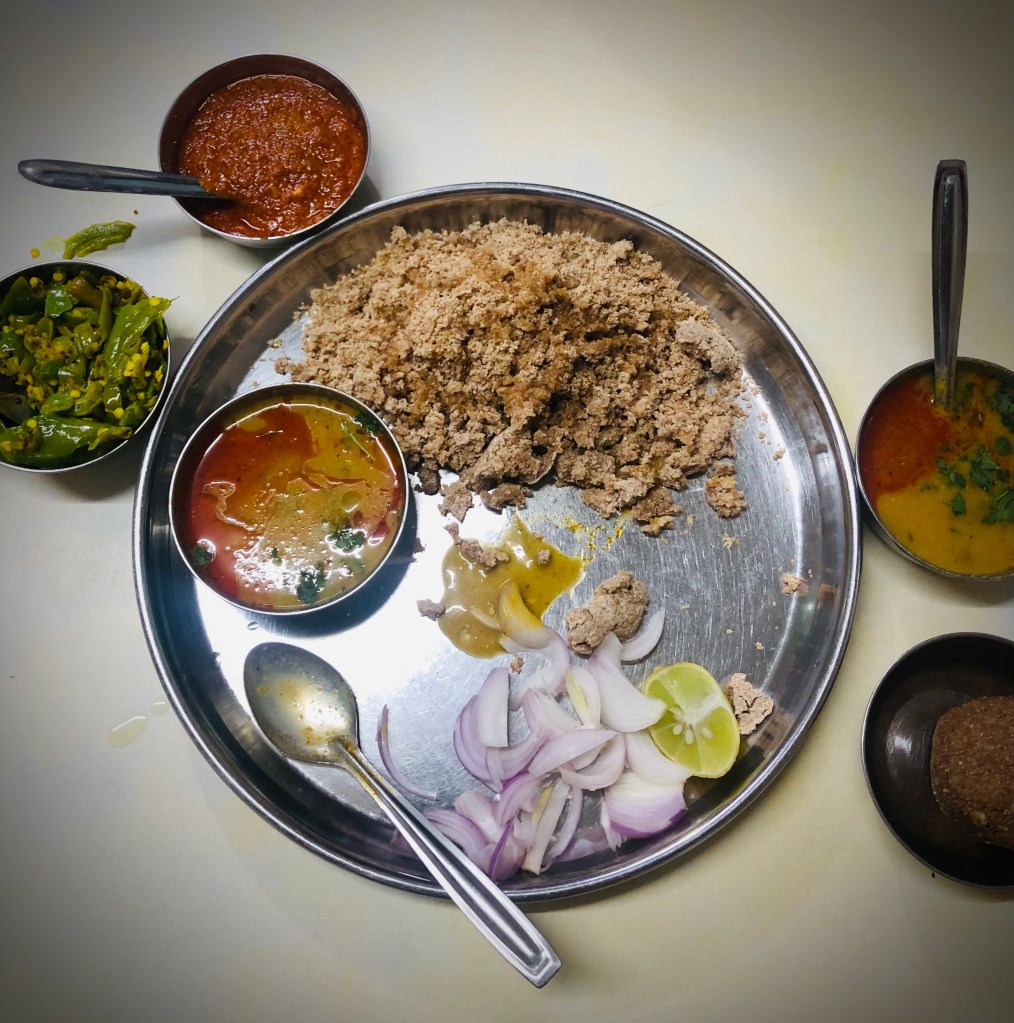
Also on the list is the Rajsthani Thali, an assortment of many vegetarian curries, stir fry, rice, and bread. Some of the vegetables may be quite unique since they are grown and harvested from the desert. Treat yourself to the famous Daal Batti (crumbled whole wheat and lentil soup) and Churma laddoo (a delicious sweet to end the meal).
You can find these delicacies at the restaurants and street shops near the entrance of the Jaisalmer Fort.
Desert safari, camping, and stargazing
There seemed to be two types of desert safari experiences available in Jaisalmer. One is the luxury camping experience usually at large established desert camps with permanent tents, full-sized beds, and a well-structured program built for comfort. Typically, these campsites also feature adventure activities like parasailing, ATV riding, local dance performances, etc. If you have never camped in your life before, I recommend going for this option.
The other is the more adventurous version which is closer to nature. In this you will sleep inside small tents or out in the open desert, eat local food cooked by your tour guides, talk, laugh, and sing in front of a bonfire, and stroll into the dark under the brilliantly lit starry night. There will be no toilet facilities but I can assure you that doing your business out in the open can be quite liberating! I’ll leave the choice to you.
I ended up choosing the group camping and safari experience offered by Moustache. It included pick up from the hostel, sightseeing at nearby villages, riding into the desert, camel and sand dunes safari, bonfire, overnight stay in tents, evening snacks, dinner, breakfast next morning, and drop off to the hostel. This was priced at 2150 INR (approx. $25) at the time of writing.

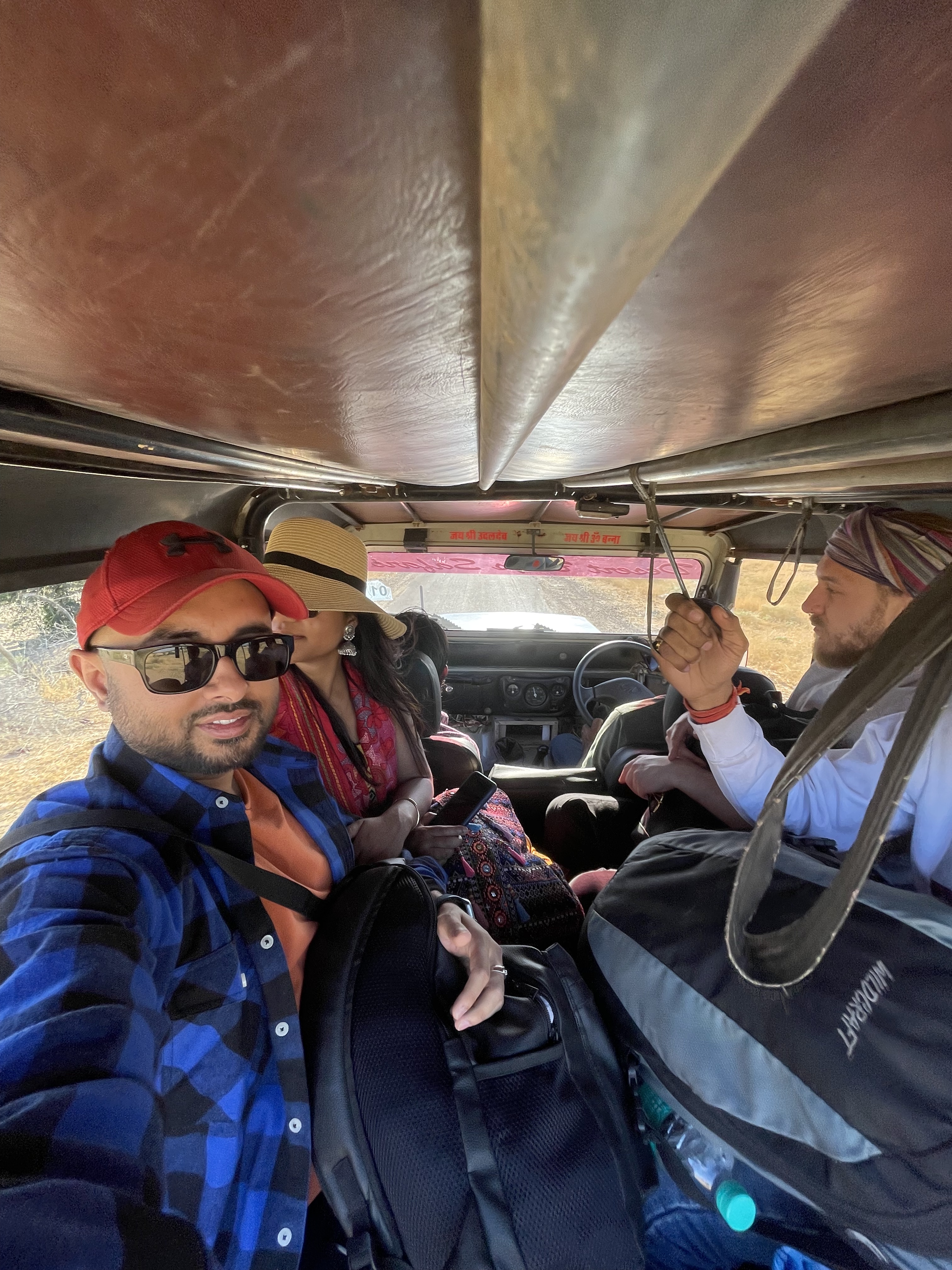
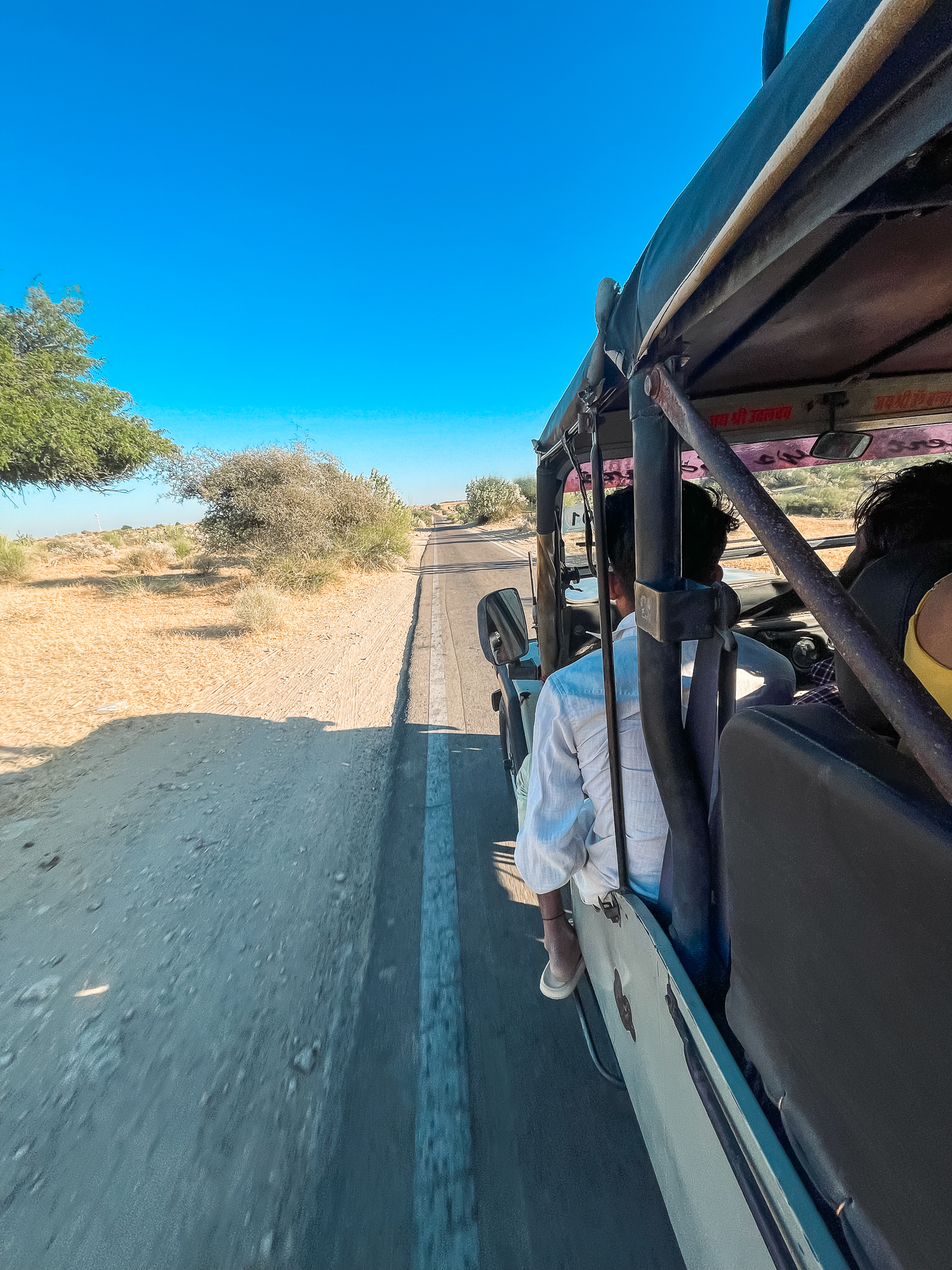
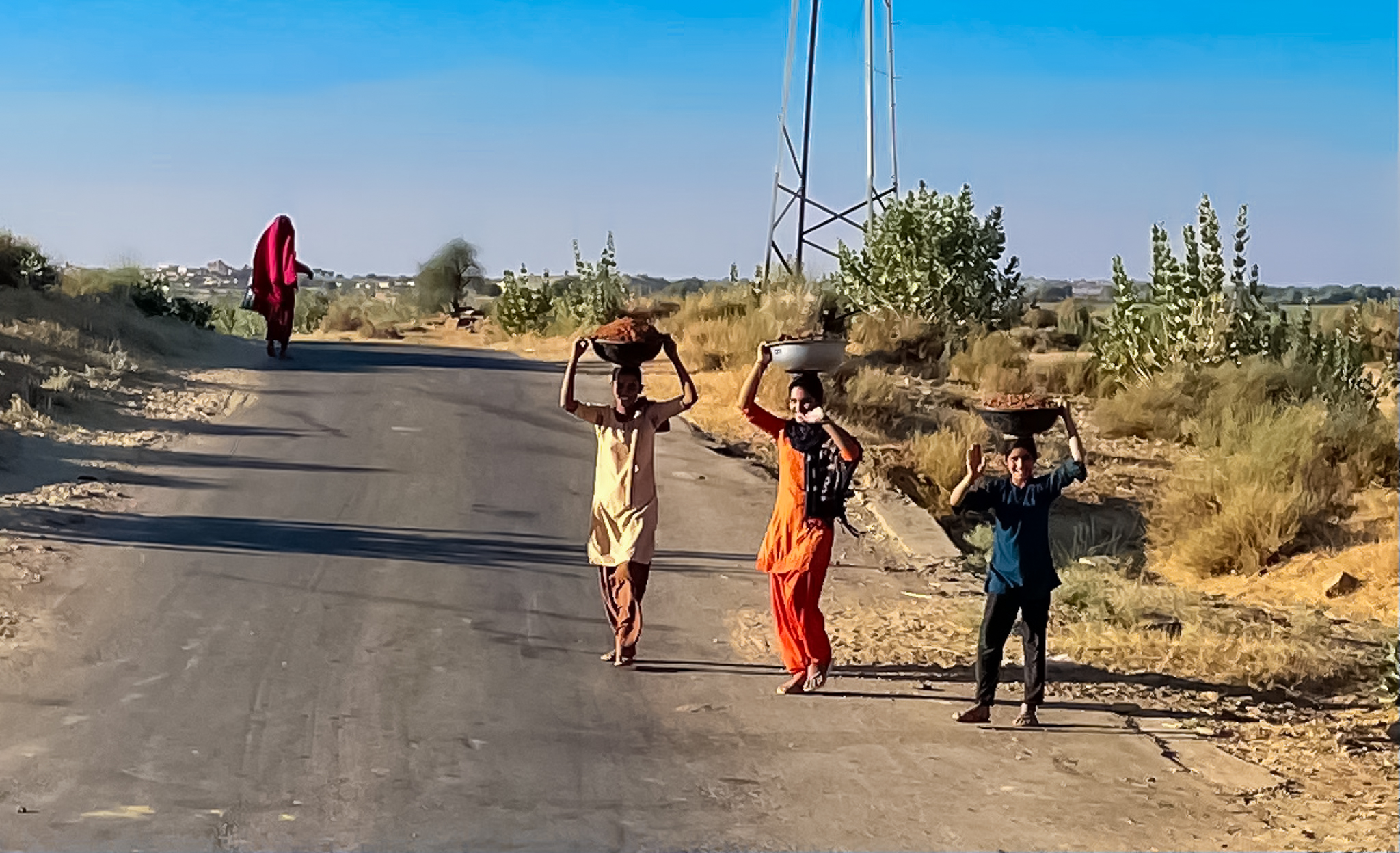
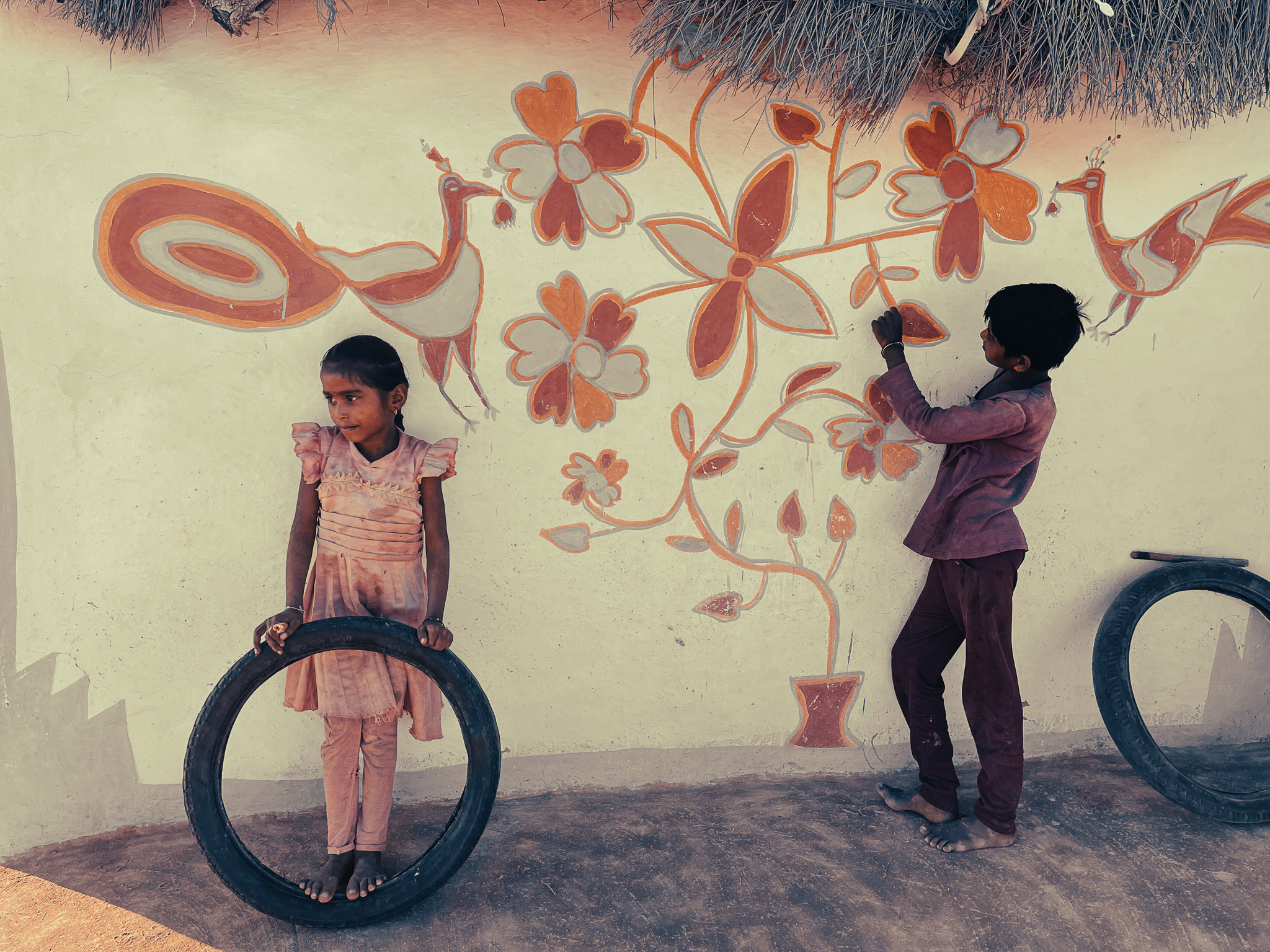

The group on that day was about 10 people strong. We were picked up in the afternoon from the hostel by the desert crew. Our vehicle was an old Mahindra Jeep which although it felt like it would come apart at any moment but did the job quite well. On the way to the desert, we stopped at a small village to interact with the locals, see their homes and learn about their lifestyle. The children waved at us as our car drove past the school. Some were bribed with a chocolate or two for agreeing to pose for a picture 🙂.
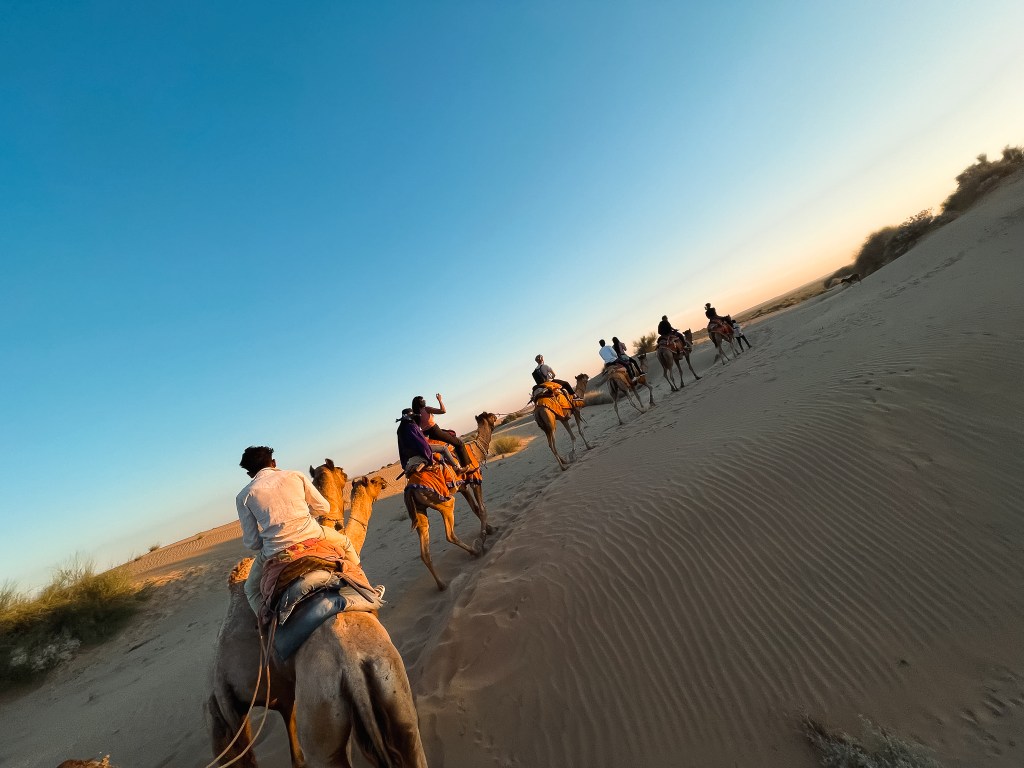
The second part of the journey involved a camel ride to the sand dunes. Fear not if you’ve never ridden a camel before, they are tame, obedient, and bovine creatures. That being said, do not go overboard with showing your unbounded puppy love, or else you may be rewarded with a bone-shattering kick. The dunes were a few miles away from the drop-off point and after about an hour’s worth of riding, we finally reached the campsite.
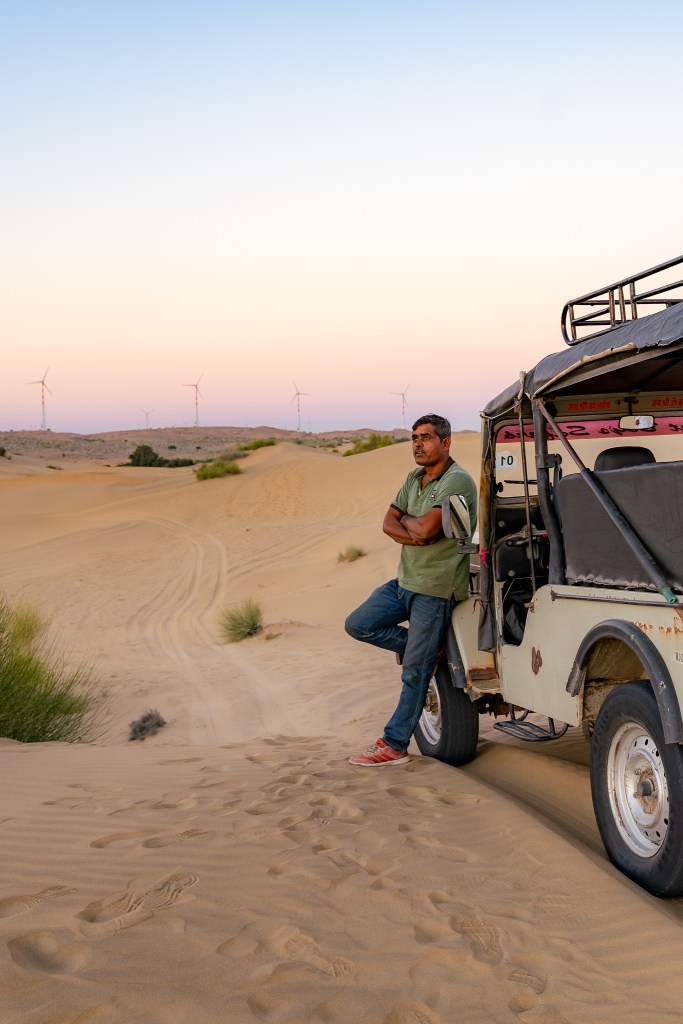
It was about sunset time and our chief tour guide Himmat (which means Courage or Daring 😉) took us on a ride in the Jeep. It was as if Himmat literally transferred half his abilities to the ancient machine which now roared like a lion, swerved on the sand, and cut through 45-degree slopes with ease. The rollercoaster-like ride induced mixed emotions in the panicked passengers, Himmat was amused at their plight. The ride ended with a spectacular view of the sun setting over the dunes.
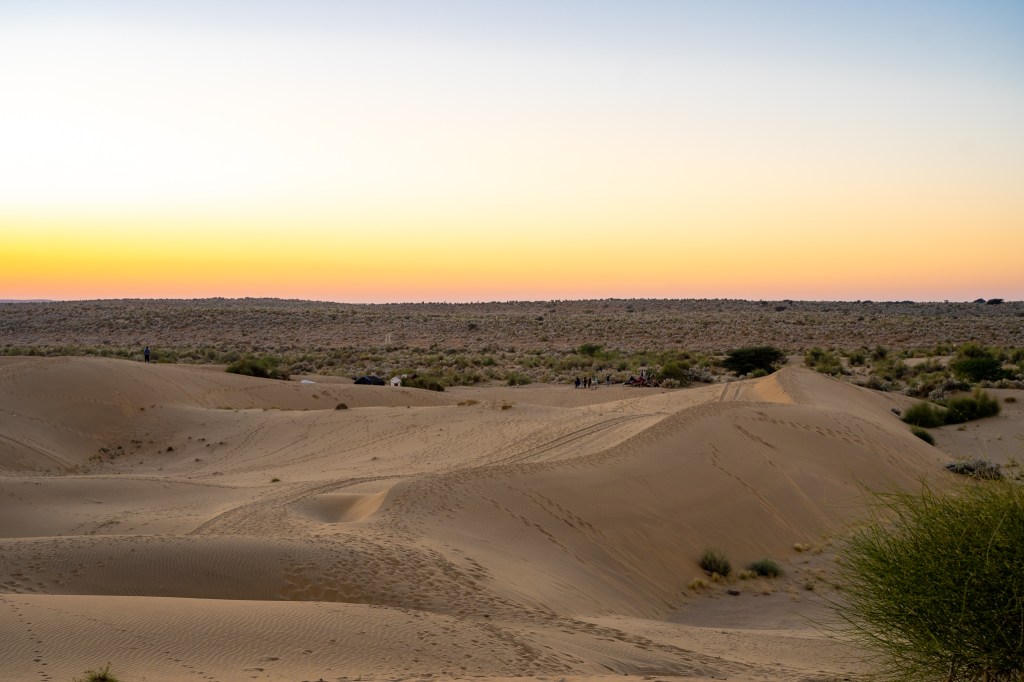
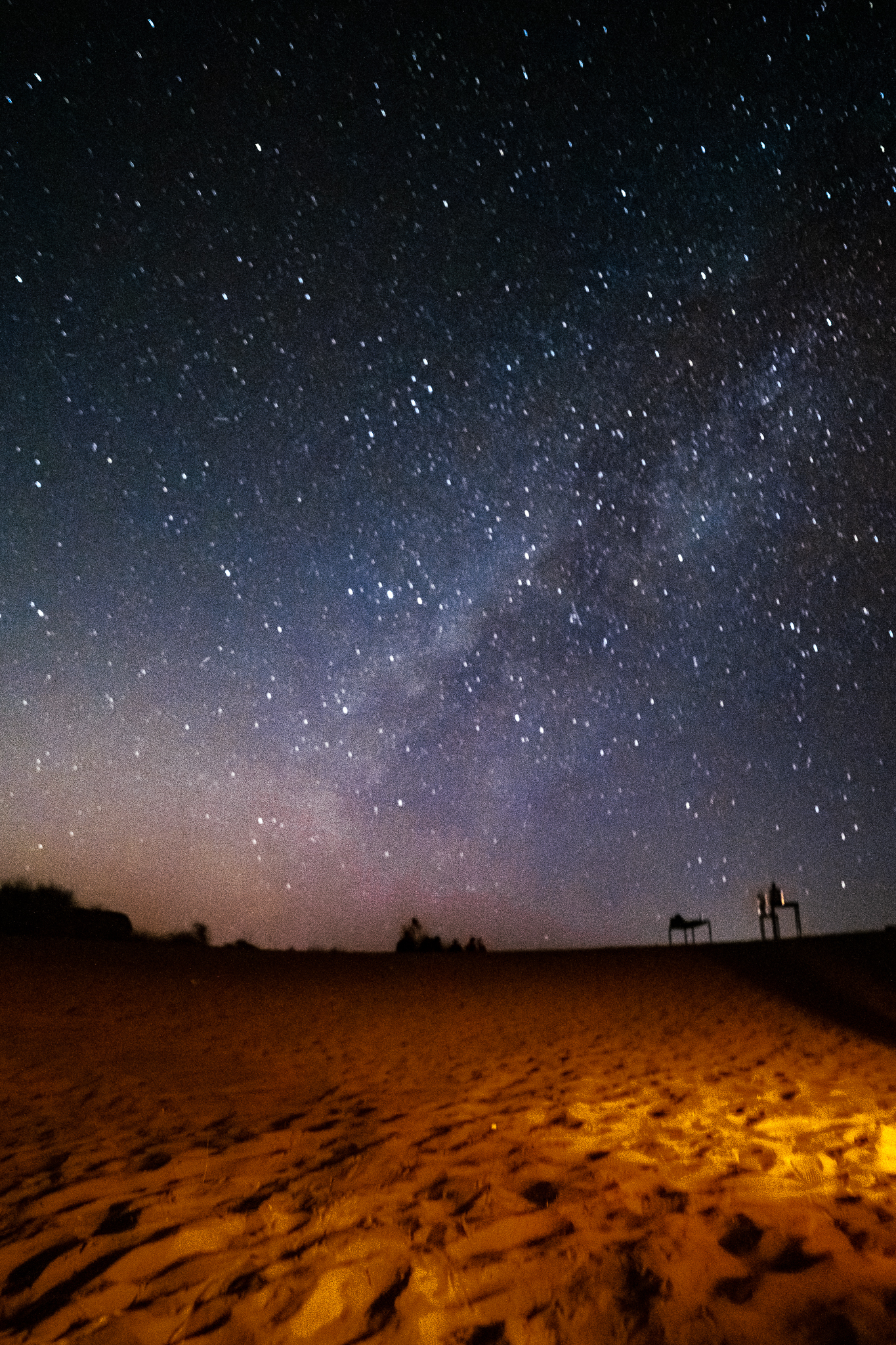
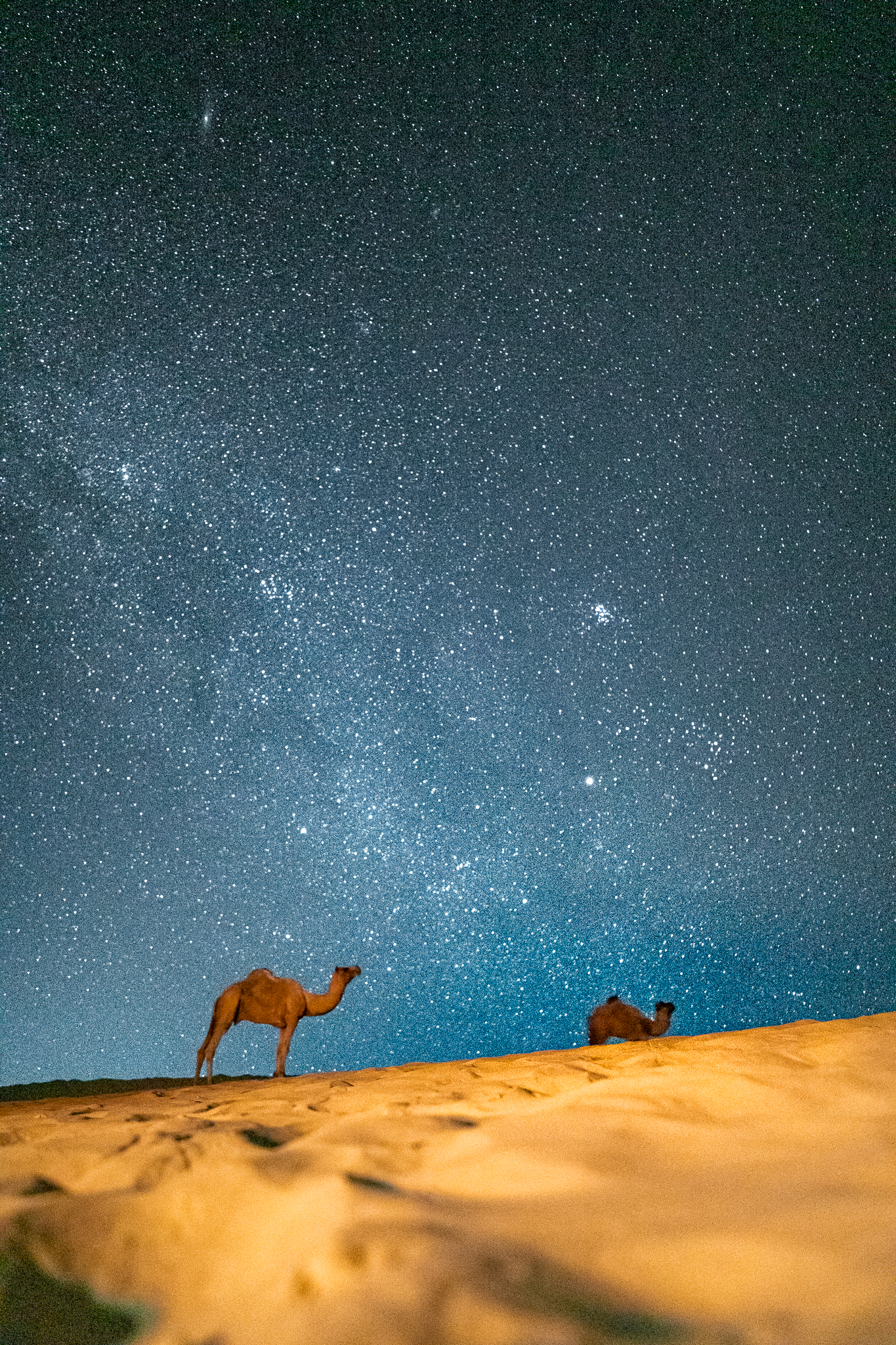
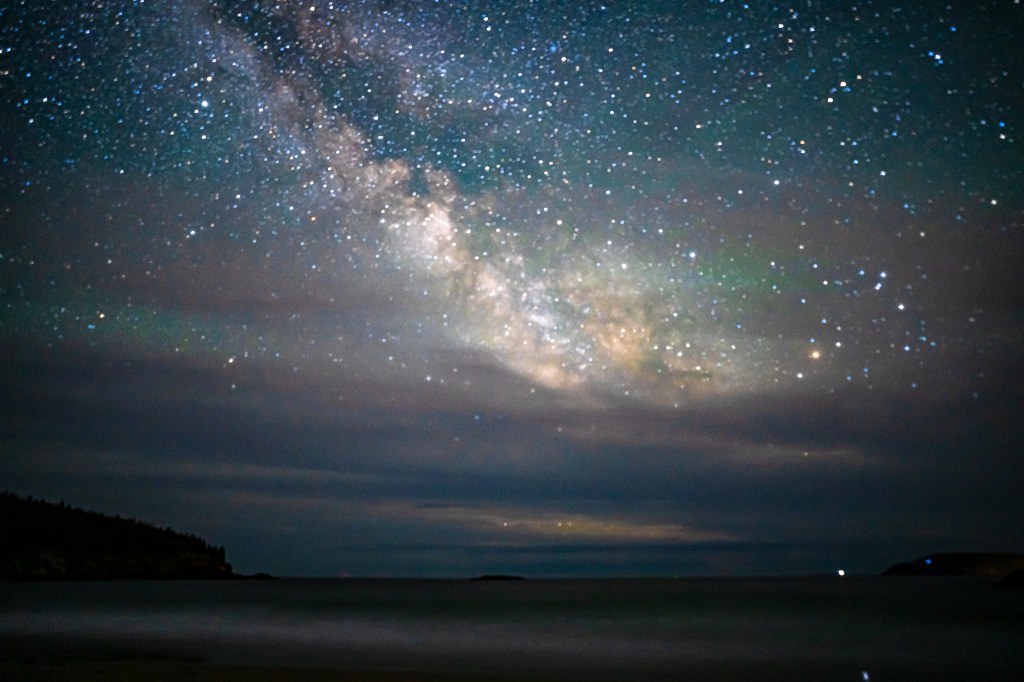
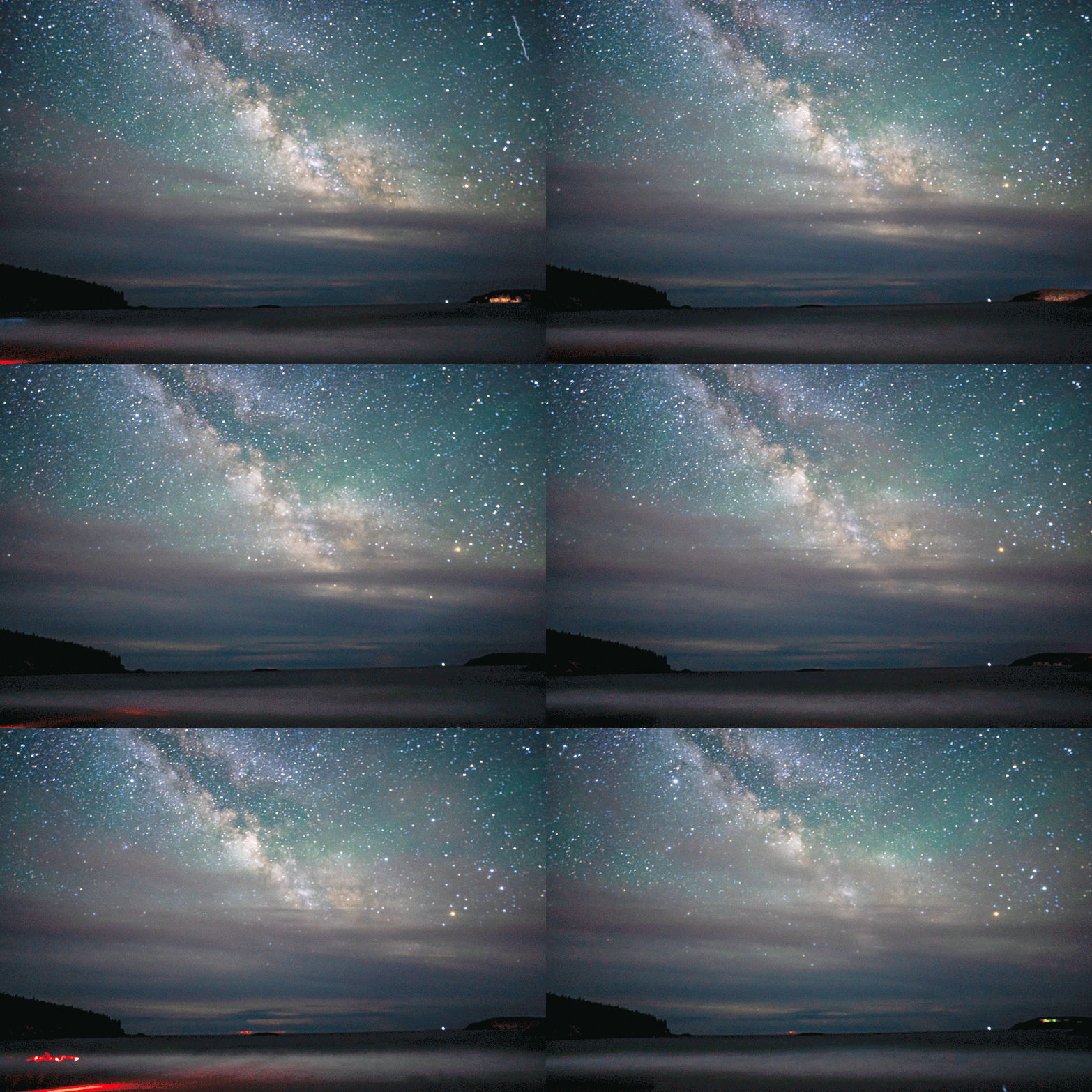
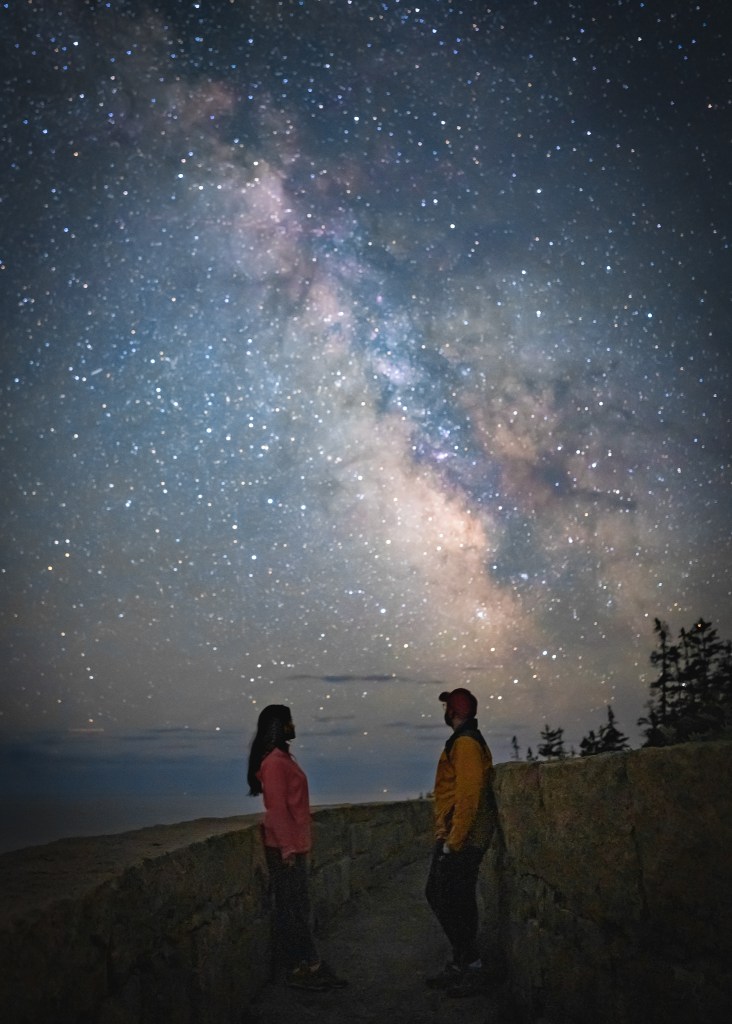
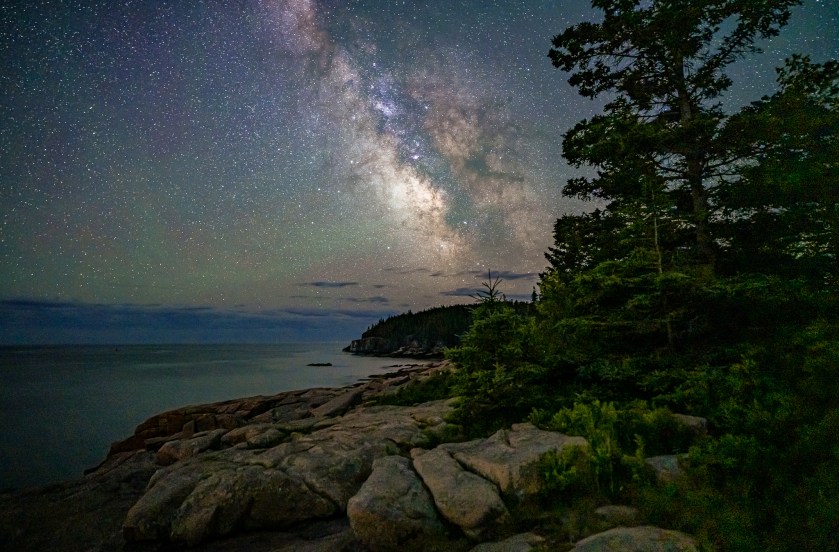
Soon after the sunset, a cool breeze swept over the dunes and took away most of the latent heat trapped in the sand. A bonfire was lit and the group had gathered around sharing stories about life, culture, and travel experiences. As it got darker the sky was lit up with the light of millions of stars. It was the perfect opportunity to shoot some photos of the night sky.
After dinner, the tour guides led us on a short safari of the dunes in the dark. We walked for about a mile away from the campsite and found a small decline to lie down on and gaze at the night sky. Those few hours we spent under the stars in silence, wondering about distant worlds, absorbing the magnificence of the universe, and falling asleep on the sand were one of the most soul-searching and deeply satisfying experiences I have ever had.
Jaisalmer Fort
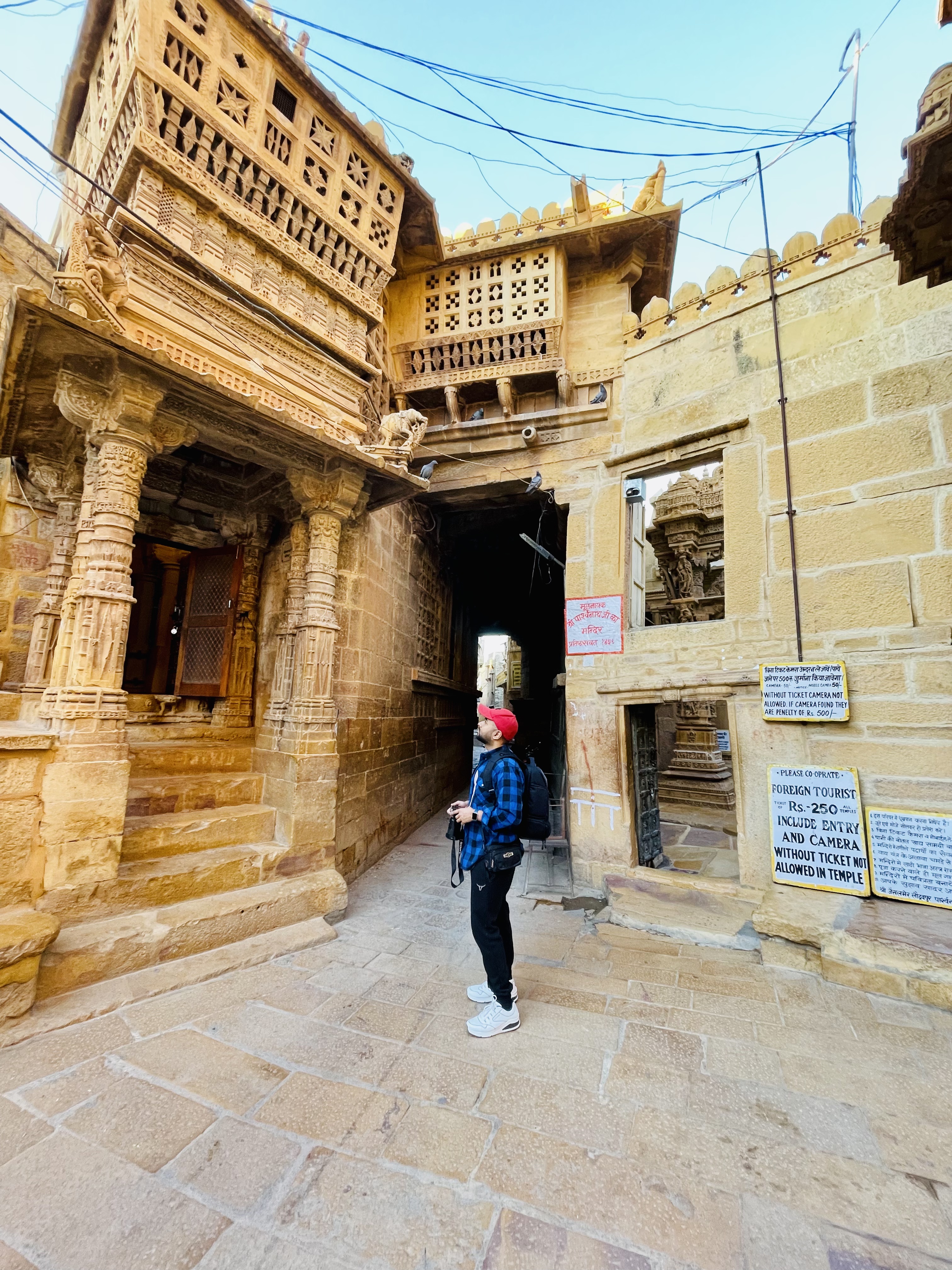
The other major attraction is the Jaisalmer Fort or Golden Fort. It is one of the few “living forts” in the world with more than four thousand people living inside the fort. The name Golden Fort is attributed to the golden sandstone rocks which the fort is built with. The rocks resemble gold when sunlight shines on them, hence the name.
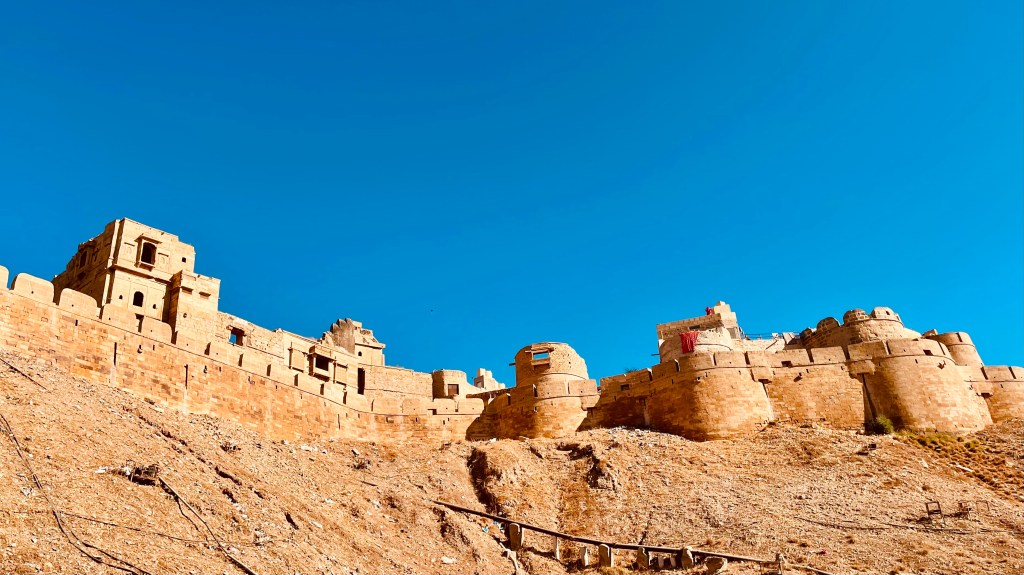
If you prefer peace and quiet, the best time to experience the fort is during the early hours around sunrise. At this time you will manage to stay clear of the tourist crowd and sometimes over-zealous tour guides. Start climbing the fort from the main entrance at the base and work your way upward through the cobbled streets. If you are on time, you will be treated to stunning views of the sun rising over the city.
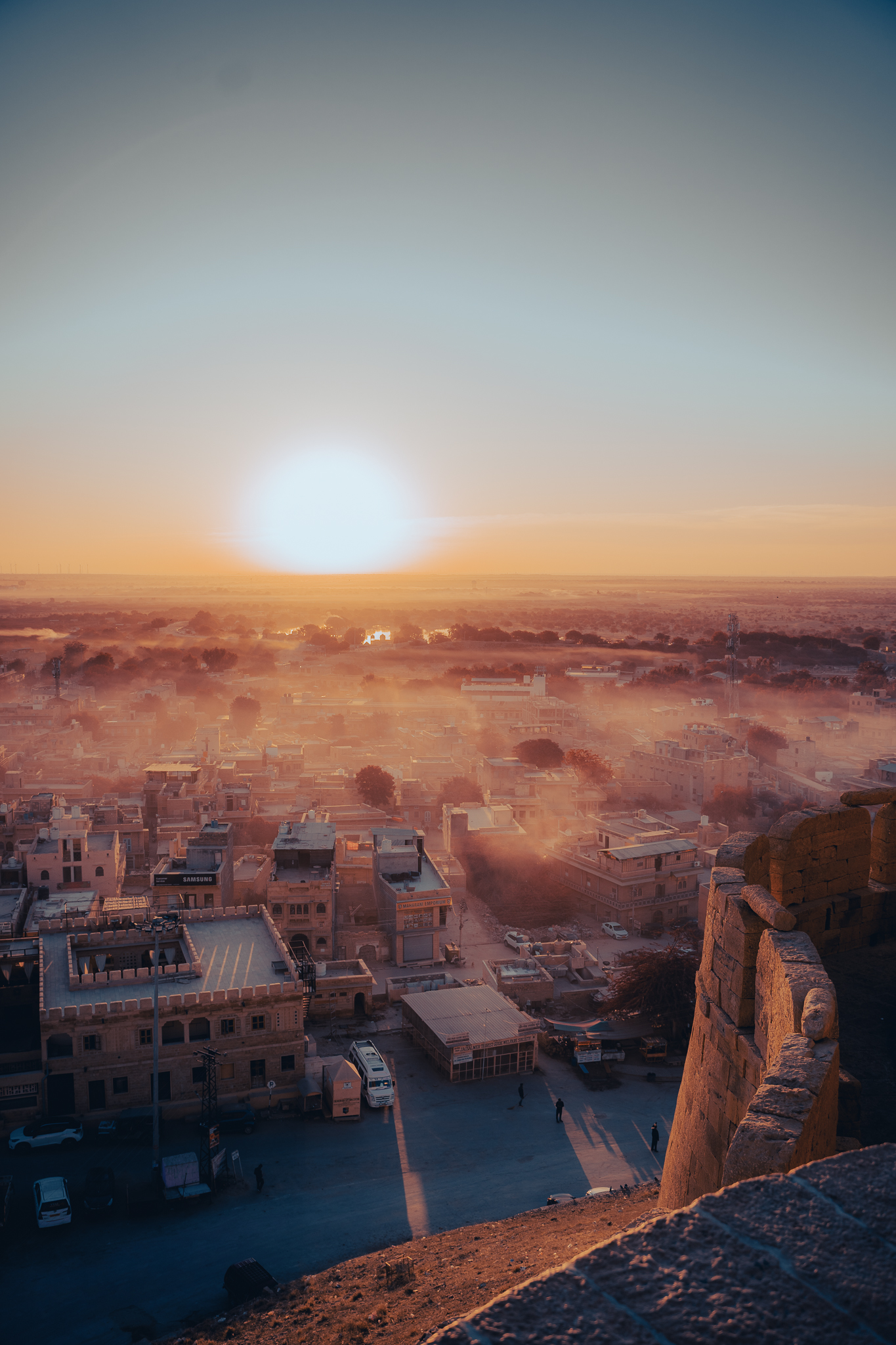
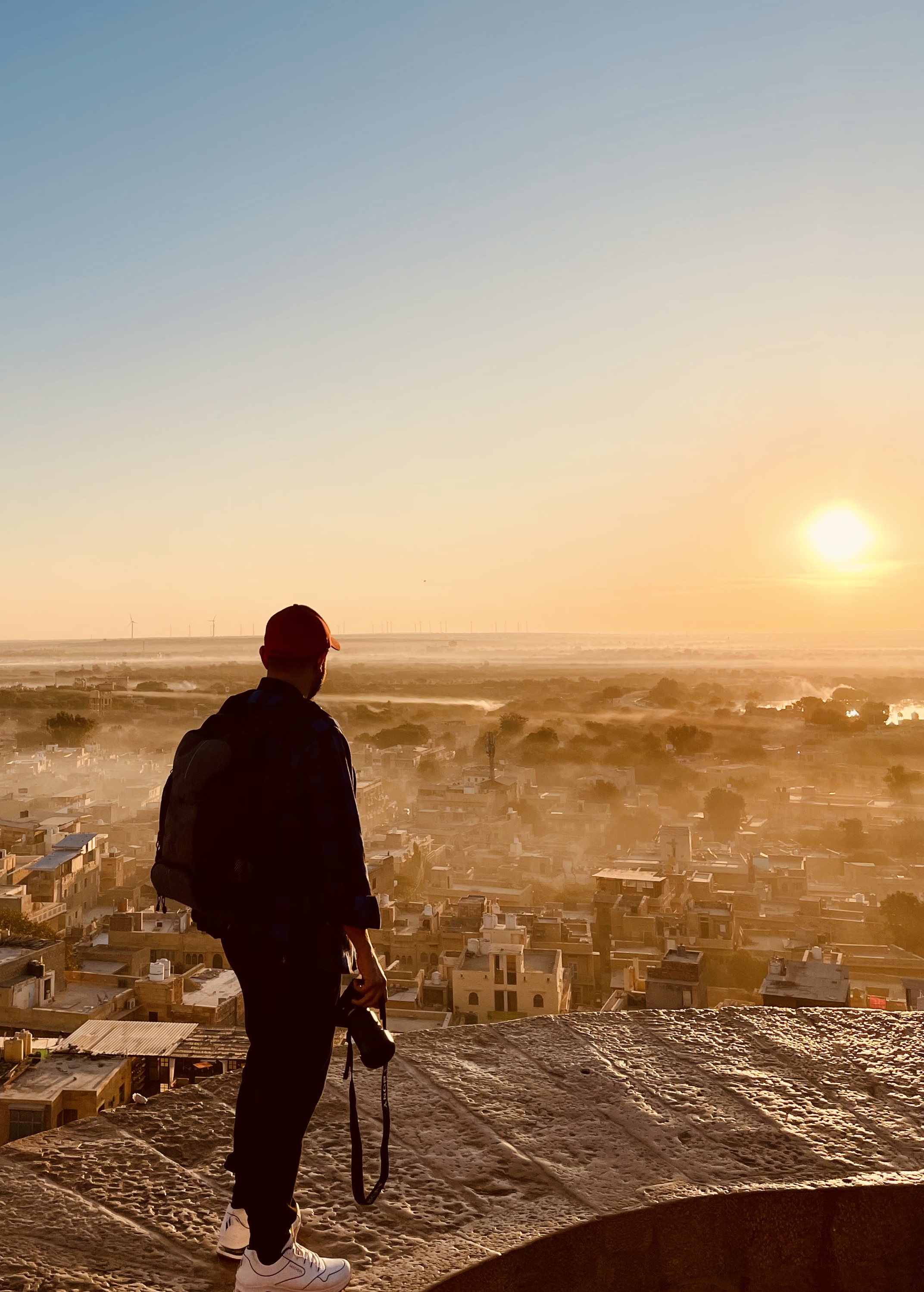
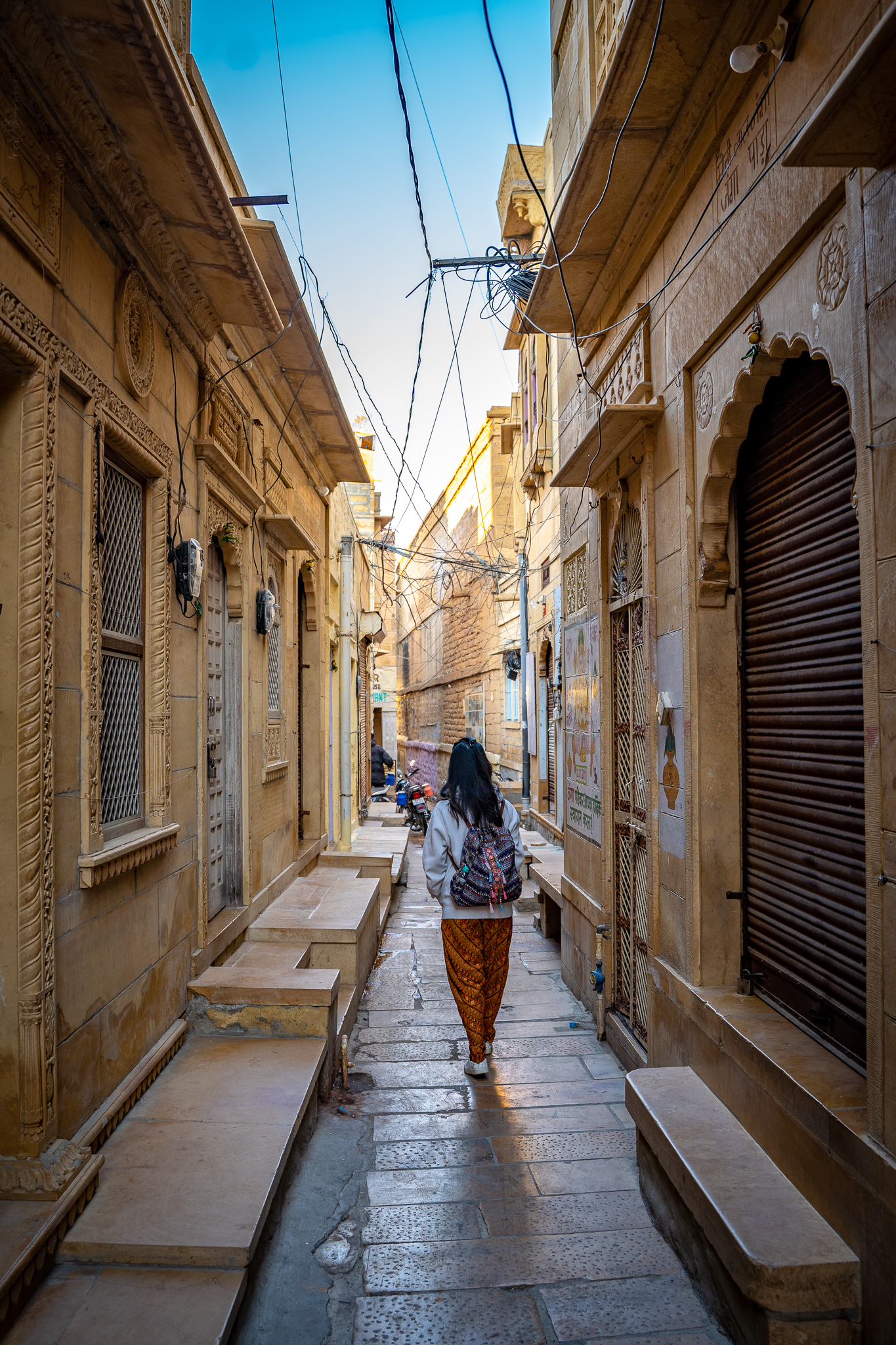
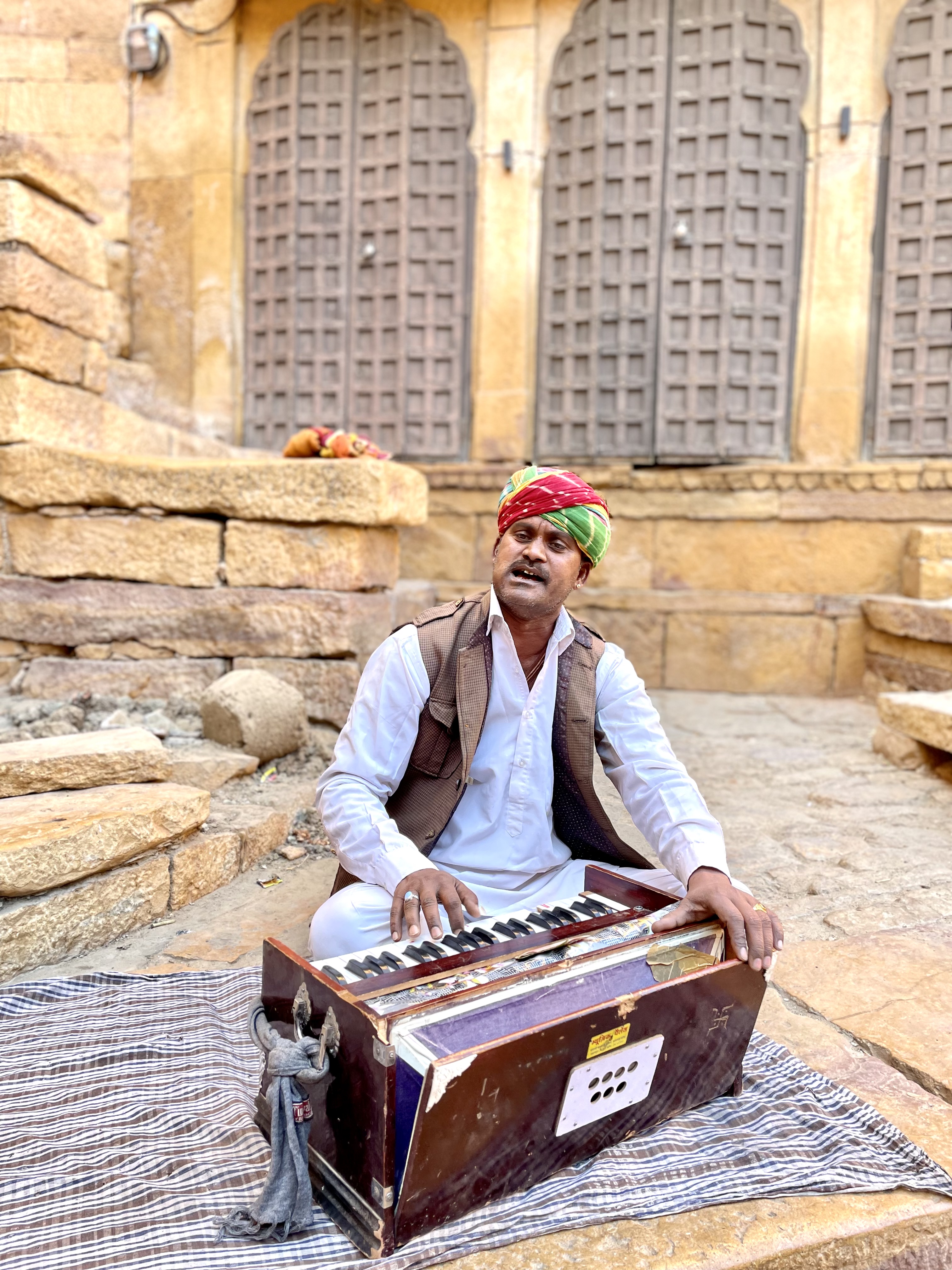
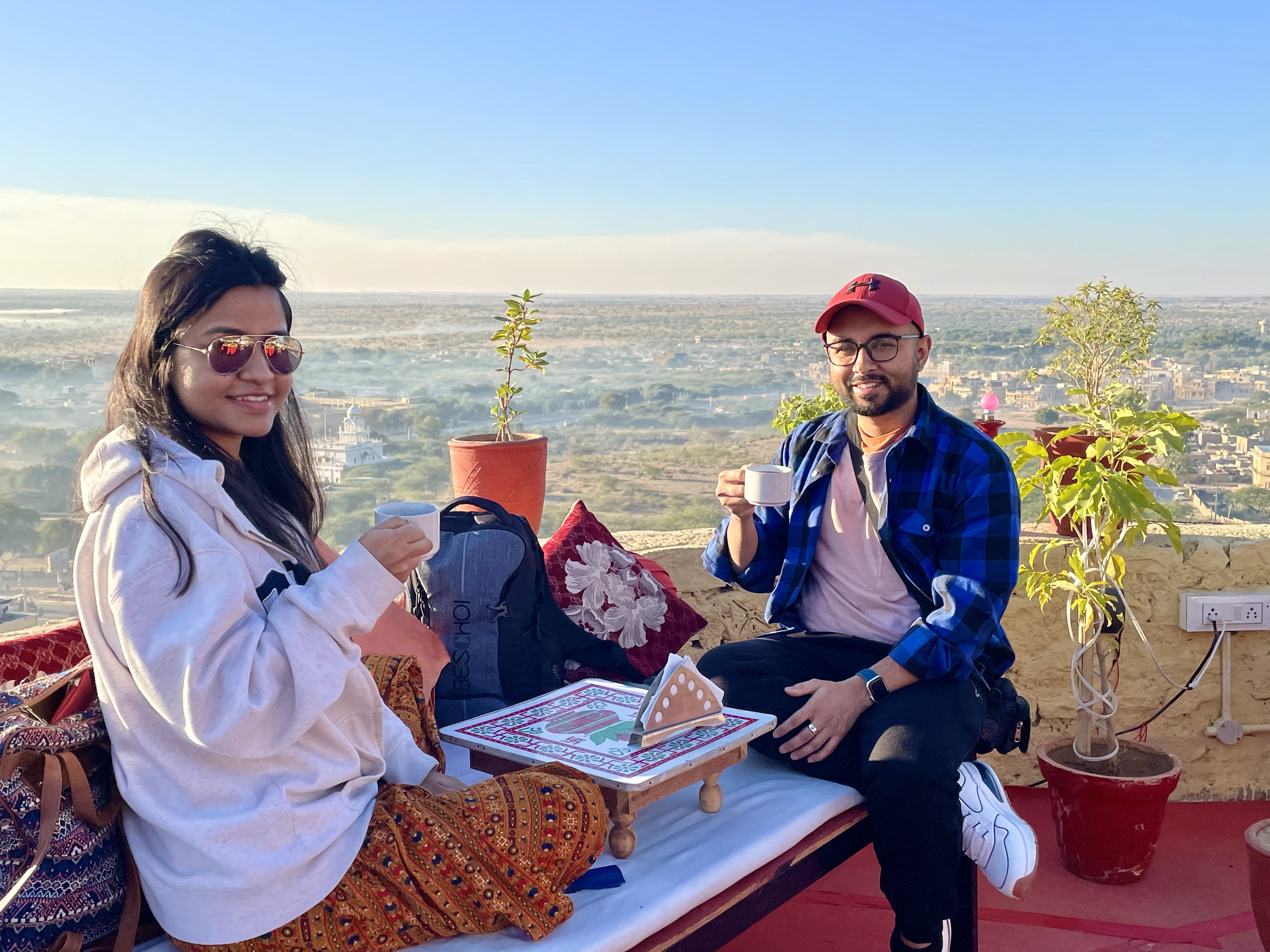
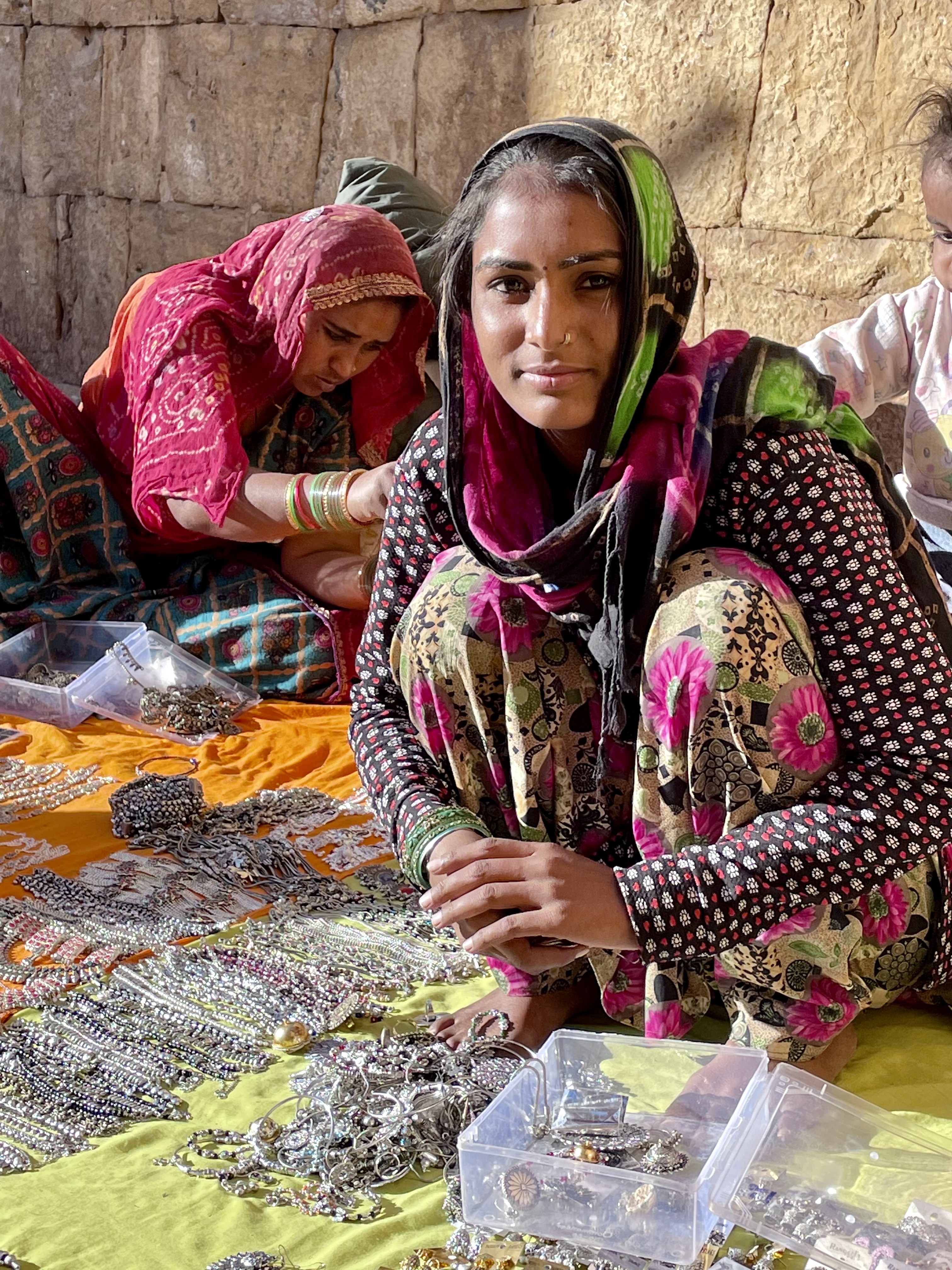
The fort is a mini city in itself – Havelis (houses) are converted into shops, rooftop restaurants, numerous living quarters, markets, and more are found at every corner. There is a remarkable vibe inside the fort which felt like a mix between the temple scenes of Varanasi and the monasteries of Tibet. The locals have little in terms of wealth or property, but yet are vibrant, proud, and greet you with tremendous warmth and hospitality. You can stop at one of the many rooftop restaurants and enjoy a cup of tea or coffee while enjoying the view of the city.
Verdict
Overall, the city of Jaisalmer and its people will be etched in my memory for a long time until I visit again. The unique places, history, culture, and friendships made during this trip have provided me with valuable life experiences that I will cherish forever.
Thanks for patiently reading this article and hope I gave you enough inspiration for traveling to Jaisalmer.

 Pixel Passenger